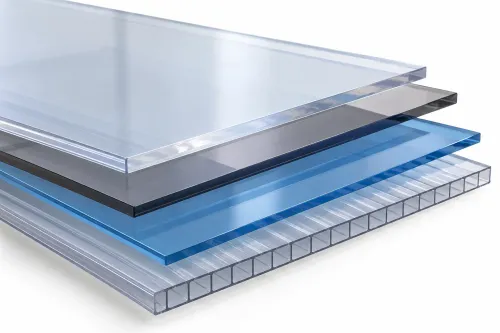


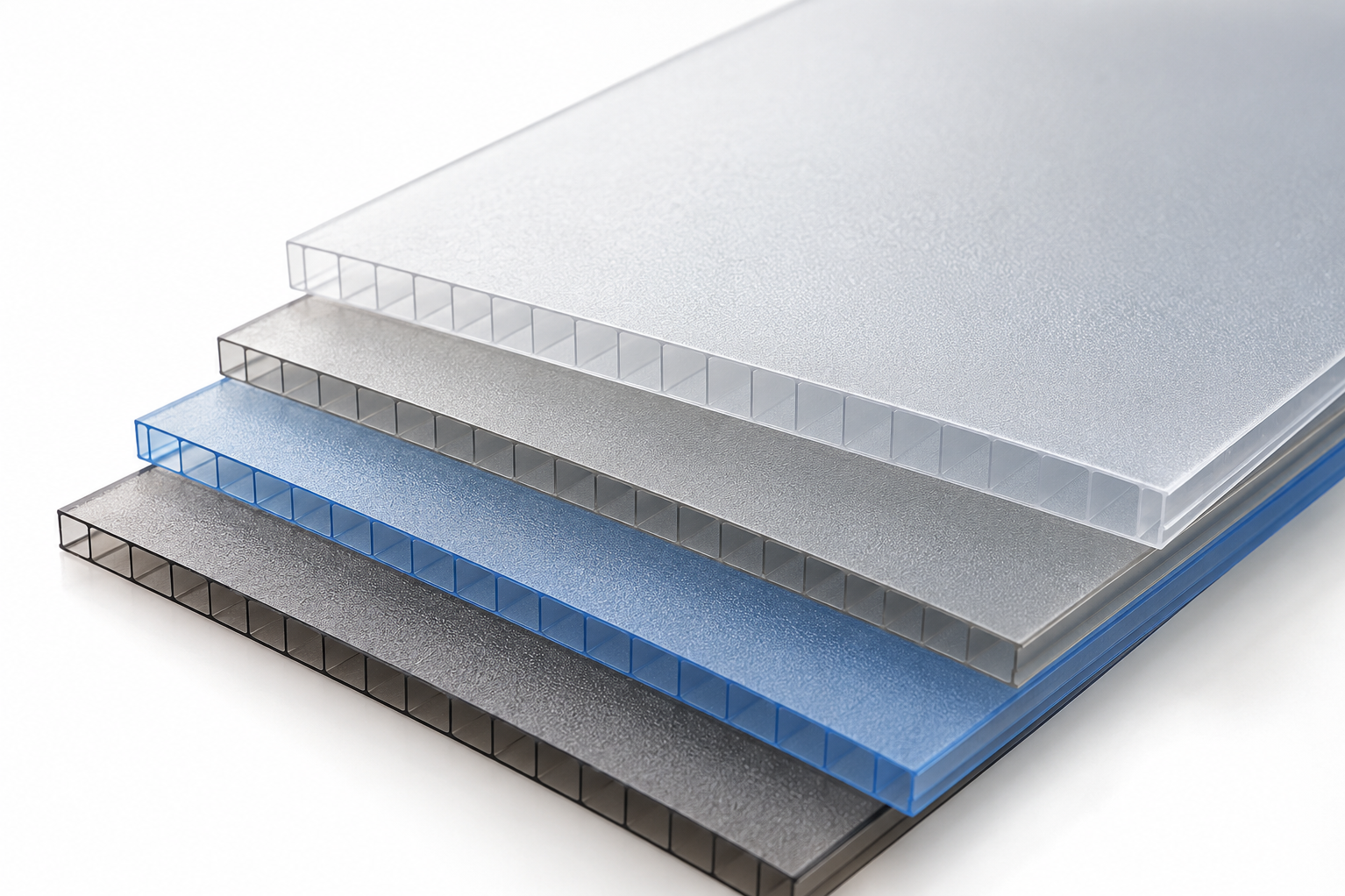
Reflections can make an otherwise clear protective panel difficult to use. Bright overhead lighting, daylight, illuminated displays, and nearby reflective surfaces can produce glare that interferes with viewing screens, instruments, graphics, or objects behind transparent material.
An Anti Glare Polycarbonate Sheet is designed for applications where reducing distracting surface reflections is more important than achieving a highly glossy transparent finish. It can be particularly relevant to display, instrumentation, control-panel, and protective-cover applications.
What Causes Glare on Transparent Panels?
A smooth transparent surface reflects some of the light that reaches it. Depending on viewing angle and surrounding illumination, these reflections can become prominent enough to obscure what is behind the panel.
This issue is common around:
- Electronic displays
- Instrument panels
- Information boards
- Control interfaces
- Illuminated signage
- Exhibition displays
- Indoor equipment panels
Anti-glare surfaces help diffuse reflected light, making the reflection less visually distracting.
Anti Glare Does Not Mean Anti Reflective
These terms are sometimes treated as identical, although the technologies and optical effects can differ.
An anti-glare surface generally uses texture or another surface treatment to diffuse reflections. Anti-reflective solutions may use coatings designed to reduce reflected light through different optical mechanisms.
Understanding the actual viewing requirement is therefore important before specifying a sheet.
Consider Viewing Distance
The ideal surface depends partly on how the user views the object behind it.
A control panel viewed from close range may need different optical characteristics from a display positioned several metres away. Surface texture that effectively reduces glare can also influence perceived sharpness when viewed through the sheet.
This makes sample evaluation useful for applications where visual quality is critical.
Lighting Conditions Should Guide Selection
New Delhi projects can involve intense natural daylight as well as brightly illuminated commercial interiors. A panel that looks suitable under workshop lighting may perform differently when positioned close to windows or strong artificial lights.
During specification, consider:
- Direction of major light sources
- Typical viewing angle
- Distance between viewer and panel
- Distance between sheet and display
- Required image or text sharpness
- Indoor or outdoor installation
- Cleaning frequency
Testing under realistic lighting conditions can provide more meaningful information than examining the sheet alone.
Don't Ignore Mechanical Requirements
Glare reduction is only one part of material selection.
The sheet must also suit the required thickness, dimensions, fixing method, fabrication process, expected impact, and operating environment. For applications requiring additional surface durability, the relationship between anti-glare properties and other coatings should be discussed with the supplier.
Polyfab Traders caters to specialized polycarbonate requirements in New Delhi, Delhi, where material characteristics may need to be matched with the project's optical and fabrication needs.
For designers and fabricators, anti-glare polycarbonate is most useful when selected around actual viewing conditions. Considering lighting, viewing angle, clarity, surface durability, and fabrication together helps create a panel that performs effectively after installation rather than merely looking suitable as a material sample.