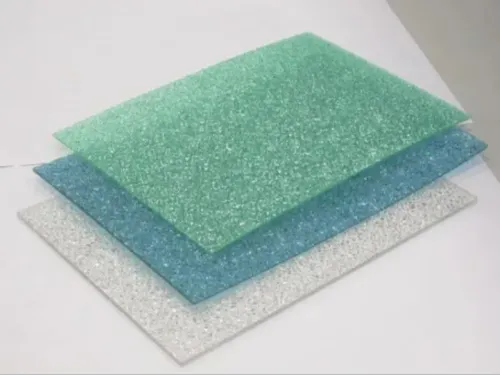


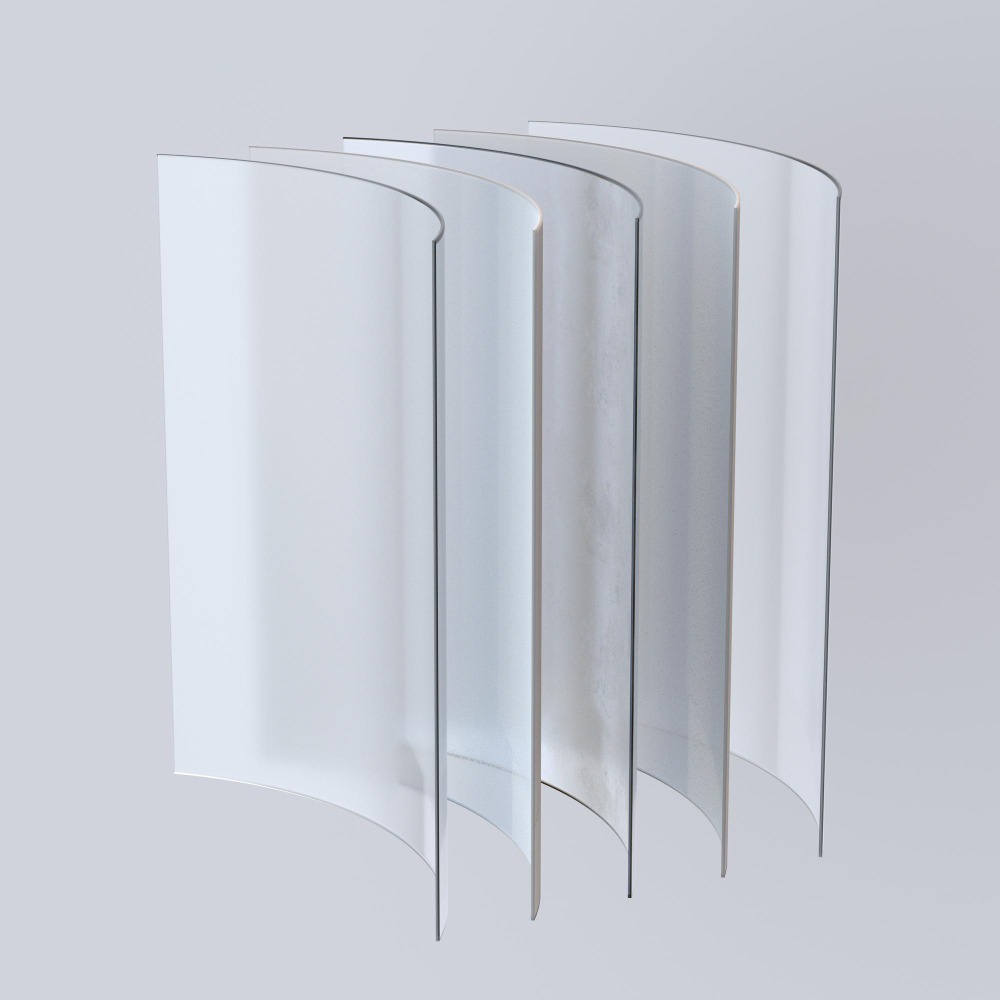
PETG is a thermoplastic material valued for its clarity, fabrication characteristics, and suitability for a variety of display, protective, commercial, and industrial applications. It can be cut, formed, fabricated, and printed using suitable processes, which makes it useful where designers need transparent or visually clean components.
Businesses searching for a PETG Sheets Distributor in New Delhi should look beyond basic dimensions when selecting material. Thickness, forming requirements, surface quality, operating environment, and the final application can all influence the choice.
Common Uses of PETG Sheets
PETG can be found in applications where transparent sheet material needs to combine appearance with fabrication flexibility.
Typical uses may include:
- Retail displays
- Point-of-sale units
- Protective screens
- Product covers
- Signage components
- Interior partitions
- Equipment covers
- Fabricated display stands
- Transparent containers
- Exhibition components
Its suitability for a particular project should still be assessed according to environmental and mechanical requirements.
PETG and Polycarbonate Are Not Identical
PETG and polycarbonate can both be transparent thermoplastic sheets, but that does not make them direct substitutes in every situation.
Polycarbonate is commonly selected where high impact performance is a major consideration. PETG may be attractive for projects where ease of forming, visual appearance, and fabrication characteristics are particularly important.
The correct choice depends on what the finished component is expected to do.
For example, a retail display panel and an industrial machine guard may look similar on a drawing but have very different performance requirements.
Consider Forming Requirements
One reason fabricators consider PETG is its ability to be formed into different shapes using suitable techniques.
Before ordering, clarify whether the material will undergo:
- Cold bending
- Heat forming
- Thermoforming
- Routing
- Saw cutting
- Drilling
- Printing
- Bonding
The fabrication process should be considered at the material-selection stage rather than after the sheets have arrived.
Surface Quality Matters
Transparent sheets often become part of customer-facing displays or visible architectural elements. Scratches, improper storage, or poor handling can therefore affect the finished appearance.
Protective masking should generally remain on the sheet during transportation and initial fabrication wherever the process permits.
Buyers should also consider whether the application requires a standard clear finish or a specialized surface characteristic.
Order According to Actual Project Requirements
Before approaching a supplier, prepare basic details such as:
- Required sheet dimensions
- Thickness
- Quantity
- Colour or transparency requirement
- Final application
- Fabrication process
- Indoor or outdoor usage
- Required surface characteristics
This information helps the distributor understand the requirement more accurately.
Local Supply Can Simplify Project Coordination
For manufacturers, display fabricators, signage companies, interior contractors, and other businesses in New Delhi and the wider Delhi NCR market, material availability can directly affect production schedules.
Polyfab Traders supplies sheet materials for varied fabrication and project requirements. Discussing the intended application before ordering can help determine whether PETG is appropriate or whether another transparent engineering sheet would better suit the project.
Selecting PETG should ultimately be based on the finished component, not simply on the appearance of the raw sheet.