

Polycarbonate sheets have become a practical material choice for roofing, partitions, machine guards, skylights, architectural structures, industrial enclosures, and several other applications. Their combination of impact resistance, relatively low weight, transparency, and fabrication flexibility makes them suitable for projects where conventional glass or other rigid materials may not be ideal.
For buyers looking for a Polycarbonate Sheet Distributor in New Delhi, understanding the available sheet types and specifications is important before placing an order. Choosing a sheet only by thickness or price can result in poor performance if its grade does not match the intended application.
Understand the Application First
The right polycarbonate sheet depends largely on where and how it will be used. A transparent indoor partition has different requirements from an outdoor canopy exposed to Delhi's heat, dust, sunlight, and seasonal weather changes.
Common applications include:
- Industrial machine guards
- Roofing and skylights
- Walkway coverings
- Architectural glazing
- Fabricated domes
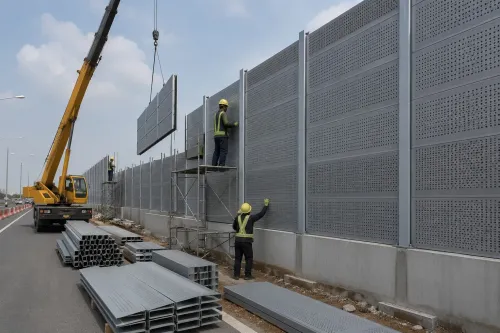
- Noise-control structures
- Greenhouses
- Swimming pool enclosures
- Commercial partitions
- Protective panels
Defining the application helps narrow down suitable sheet characteristics.
Check the Required Sheet Type
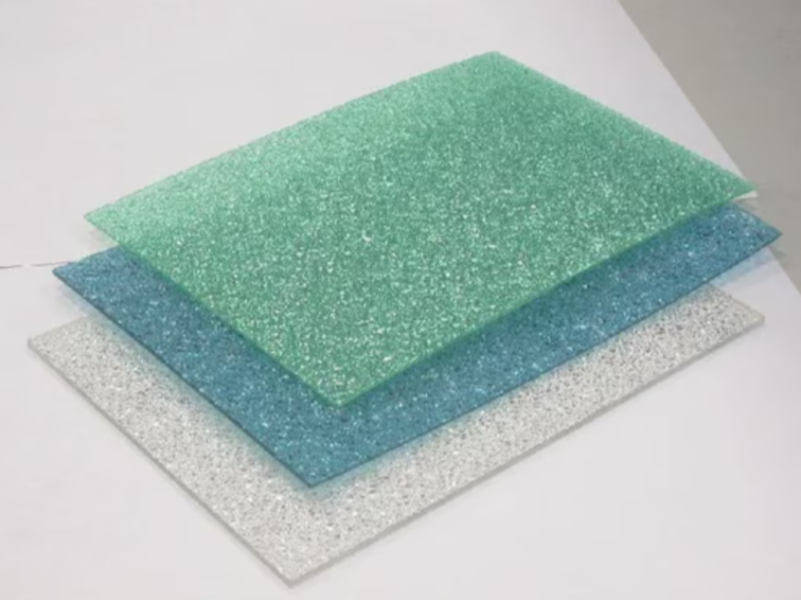
Polycarbonate sheets are available in different configurations. Solid sheets may be preferred where transparency and impact resistance are priorities, while multiwall sheets can be considered for roofing and structures where lower weight and thermal characteristics are useful.
Specialized projects may require sheets with anti-glare, anti-scratch, UV-resistant, or hard-coated surfaces.
These properties should not be treated as interchangeable. A surface treatment suitable for an indoor equipment enclosure may not automatically be appropriate for continuous outdoor exposure.
Thickness Should Match Structural Requirements
A thicker sheet is not necessarily the right sheet for every project.
Panel dimensions, supporting structure, wind exposure, expected load, bending requirements, fixing method, and application determine the practical thickness. Large roofing spans, for example, require proper structural planning rather than simply increasing sheet thickness.
For projects in New Delhi and surrounding parts of the National Capital Region, local weather exposure should also be considered during material selection.
Ask About Fabrication Requirements
Some projects require more than flat sheet supply. The material may need:
- Cutting
- Drilling
- Bending
- Thermoforming
- Edge finishing
- Structural fabrication
- Installation support
Understanding these requirements early can reduce material waste and avoid ordering sheets that are difficult to fabricate into the required form.
Examine Surface Protection
Sheets used outdoors should be evaluated for their intended exposure conditions. UV-protected options can be important for applications receiving regular sunlight.
For frequently cleaned surfaces or installations where visual clarity matters, buyers may also need to consider abrasion resistance and surface coatings.
Protective masking should remain in place during handling and fabrication wherever appropriate to reduce accidental scratches before installation.
Material Selection Should Be Project Specific
A dependable distributor should be able to discuss sheet dimensions, thickness, surface characteristics, fabrication compatibility, and intended environment instead of recommending one product for every requirement.
Polyfab Traders serves customers looking for polycarbonate sheet solutions in New Delhi, Delhi, including requirements connected with architectural, commercial, and industrial applications.
The most effective purchasing decision starts with a clear application specification. When sheet type, thickness, exposure, fabrication method, and supporting structure are considered together, polycarbonate can provide a practical solution for a wide variety of projects.