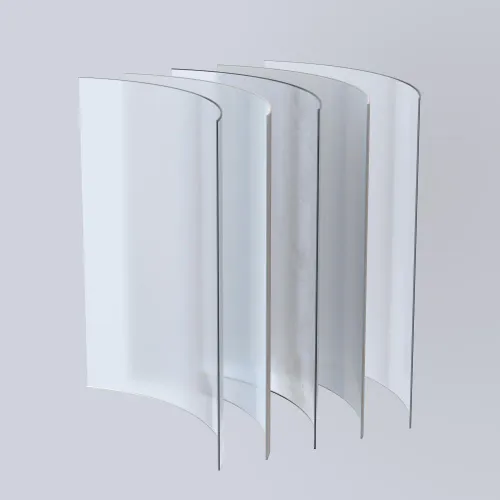


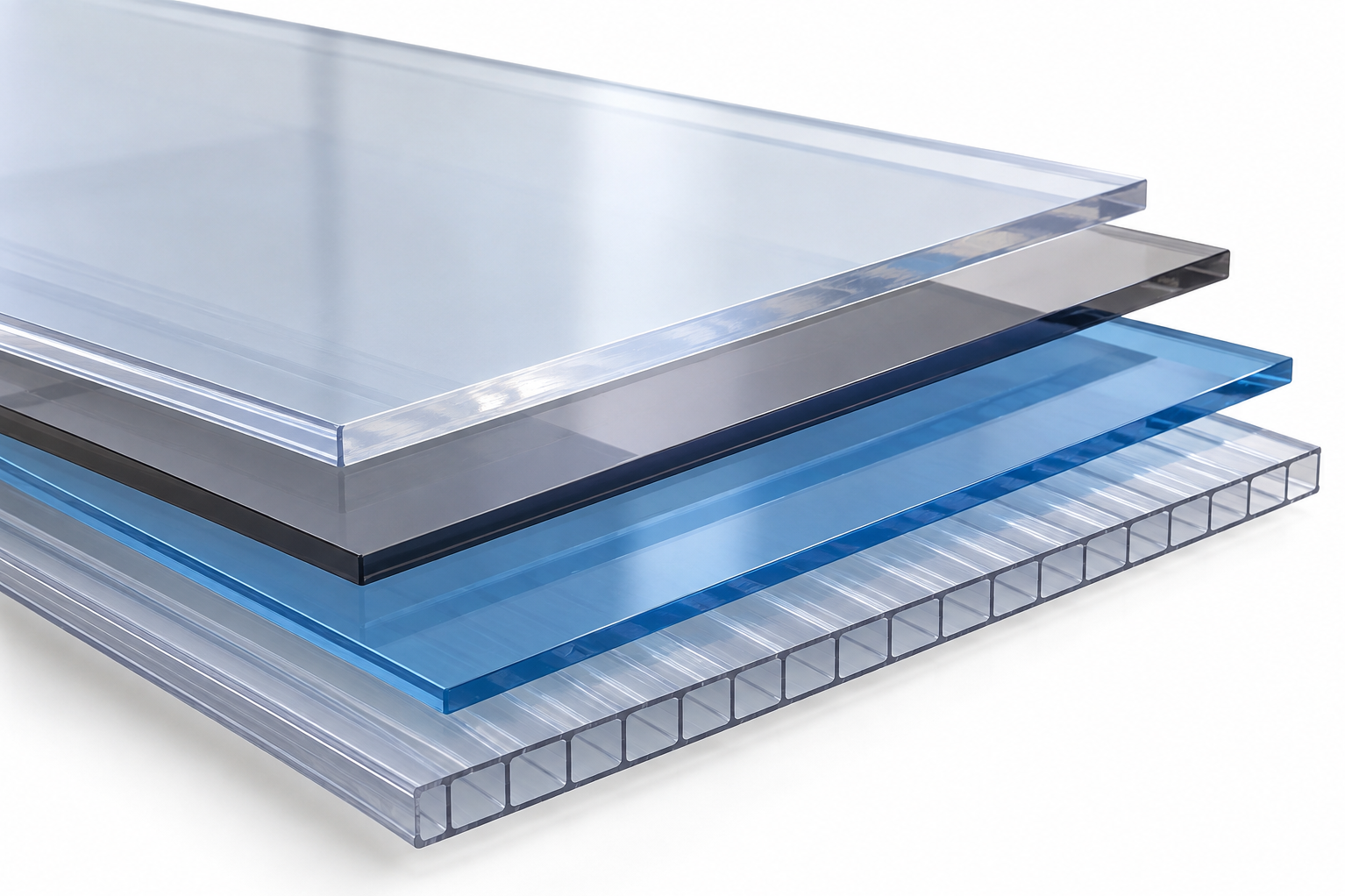
Standard polycarbonate offers excellent versatility, but some applications expose sheet surfaces to repeated cleaning, handling, abrasion, dust, or other conditions that can gradually affect appearance. In these situations, a coated surface may be considered to improve resistance to everyday wear.
A Silicon Hard Coated Polycarbonate Sheet combines the underlying characteristics of polycarbonate with a harder protective surface. Understanding where this type of material adds value can help architects, fabricators, equipment manufacturers, and project teams avoid specifying an unnecessarily specialized sheet or, conversely, using an uncoated sheet where surface durability is important.
What Does Hard Coating Do?
Polycarbonate itself is tough, but its surface can be more susceptible to scratching than glass.
A suitable hard coating is designed to improve surface resistance. This can be useful where the sheet will be cleaned regularly, handled frequently, or installed in environments where maintaining transparency is important.
The coating does not make a sheet impossible to scratch. Rather, it provides enhanced surface protection compared with an equivalent uncoated material under suitable conditions.
Where Can Hard Coated Sheets Be Useful?
Potential applications include:
- Machine viewing panels
- Protective screens
- Equipment windows
- Transparent partitions
- Security-related glazing
- Industrial enclosures
- Transportation components
- Public-facing protective panels
- Architectural applications
The exact grade should always be selected according to the required performance.
Why Cleaning Conditions Matter
New Delhi's commercial and industrial environments can expose external and semi-external surfaces to considerable dust. Transparent panels may therefore require frequent cleaning.
Improper cleaning can gradually reduce clarity even when the underlying sheet remains structurally sound.
Using appropriate cleaning materials and methods remains important with coated sheets. Abrasive pads, unsuitable chemicals, and aggressive scraping should be avoided unless specifically permitted by the material manufacturer.
Coating and Fabrication Need to Be Considered Together
A frequent specification mistake is choosing a coated material without discussing how it will be fabricated.
Cutting, drilling, forming, bending, bonding, or printing can interact differently with coated surfaces. Some fabrication processes may require specific techniques or may not be appropriate for a particular coated grade.
Before ordering, buyers should clarify:
- Whether the sheet will remain flat
- Whether bending or forming is required
- Hole sizes and fixing arrangements
- Edge-finishing requirements
- Cleaning conditions
- Indoor or outdoor exposure
- Expected visibility through the panel
This helps determine whether a hard-coated product is technically appropriate.
Think About Lifecycle Appearance
For visible installations, material selection should account for more than the condition of the sheet on installation day.
If a transparent surface is expected to remain presentable despite regular contact or cleaning, improved abrasion resistance can contribute to longer-term visual performance. That can be particularly relevant for commercial facilities, manufacturing plants, public buildings, and equipment installations across Delhi.
Polyfab Traders works with customers in New Delhi requiring polycarbonate products for specialized as well as general-purpose applications.
The key is to match the coating to a genuine performance requirement. Where abrasion and repeated cleaning are foreseeable, a silicon hard coated polycarbonate sheet can provide a more application-focused solution than choosing standard material solely on initial cost.